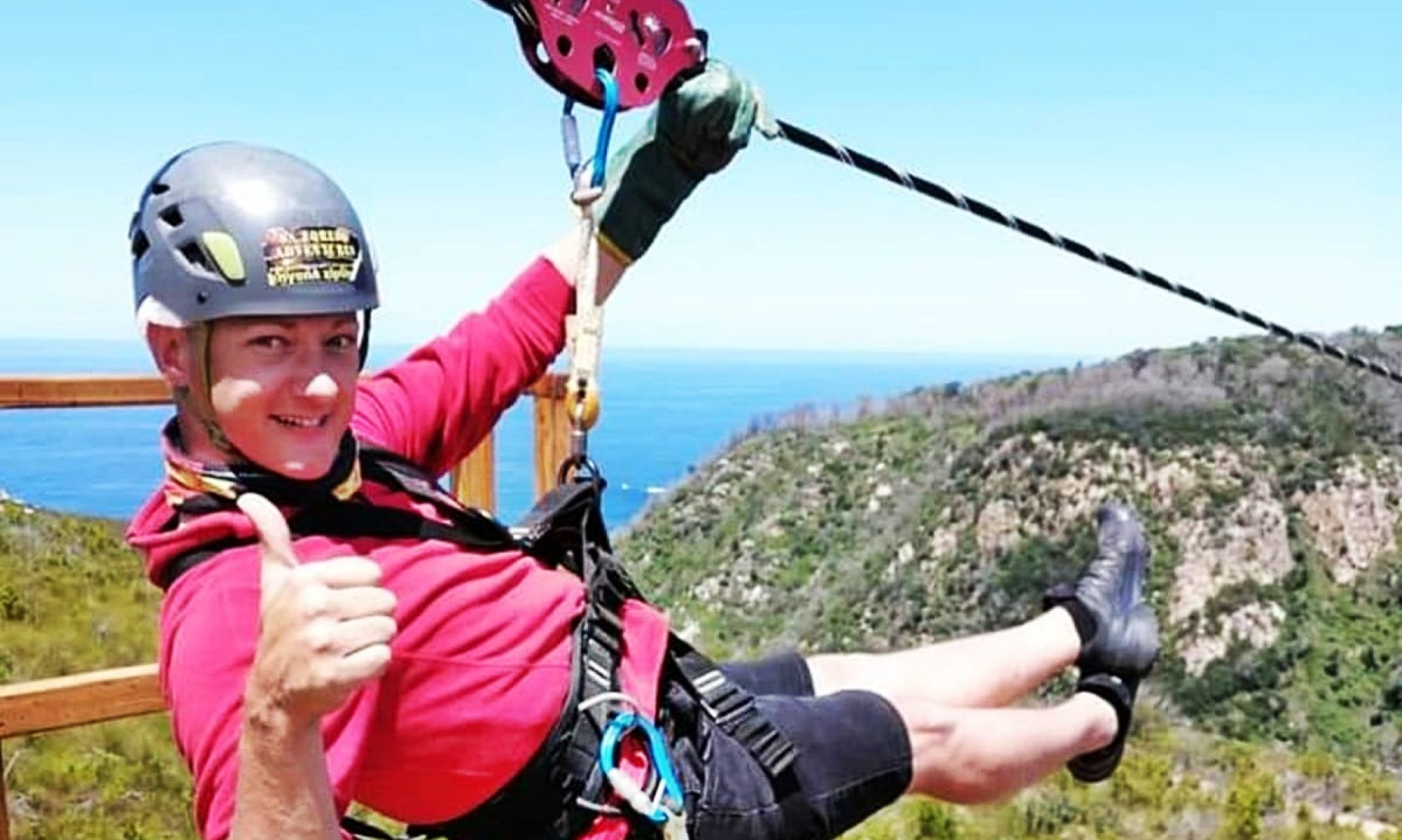

Prioritising safety in your zipline operation not only protects the participants but ensures that your business establishes a good reputation. We ensure that risk management is tops, and that our regular evaluations keep your team on their toes and keep the equipment in best condition.
Here are some key safety guidelines and risk management practices:
- Inspections and Maintenance: Regularly inspect and maintain all equipment, including harnesses, cables, platforms, and braking systems. Ensure they meet industry standards and manufacturer recommendations.
- Certification and Training: Ensure that all staff, including guides and maintenance personnel, are properly certified and trained in zipline operations, rescue procedures, and first aid.
- Participant Briefing: Provide comprehensive safety briefings to participants before they embark on the zipline adventure. This should include information on how to properly wear harnesses, follow instructions, and engage in the activity safely.
- Weight and Health Restrictions: Set clear weight restrictions and health guidelines for participants to ensure they are physically capable of safely participating in the activity.
- Emergency Response Plan: Develop a detailed emergency response plan that covers various scenarios, including participant injuries, equipment malfunctions, and adverse weather conditions. This plan should be communicated to all staff members.
- Weather Considerations: Monitor weather conditions closely and establish protocols for dealing with adverse weather. This may include closing the zipline course during storms or high winds.
- Fall Protection Systems: Implement fall protection systems, such as redundant safety lines, backup brakes, and safety nets, to provide an extra layer of security for participants.
- Proper Harness Fitting: Ensure that harnesses are correctly fitted for each participant, and that they are inspected for wear and tear regularly.
- Clearance and Obstacle Management: Make sure there are no obstacles in the path of the zipline and that there is enough clearance above and below the line to prevent collisions.
- Regular Staff Training and Drills: Conduct regular training sessions and drills to keep staff members prepared for emergencies and to reinforce safety procedures.
- Guest Supervision: Have trained guides accompany participants throughout the zipline course to provide guidance, assistance, and ensure compliance with safety protocols.
- Documentation and Record Keeping: Maintain detailed records of inspections, maintenance, staff training, and any incidents that occur. This documentation is essential for liability purposes and continuous improvement.
- Regulatory Compliance: Comply with all relevant local, state, and federal regulations governing adventure tourism and ziplining operations.
- Insurance Coverage: Ensure you have adequate insurance coverage to protect against potential liabilities and risks associated with zipline operations.
- Continuous Improvement and Auditing: Regularly review and update your safety protocols based on industry best practices, incidents, and technological advancements.