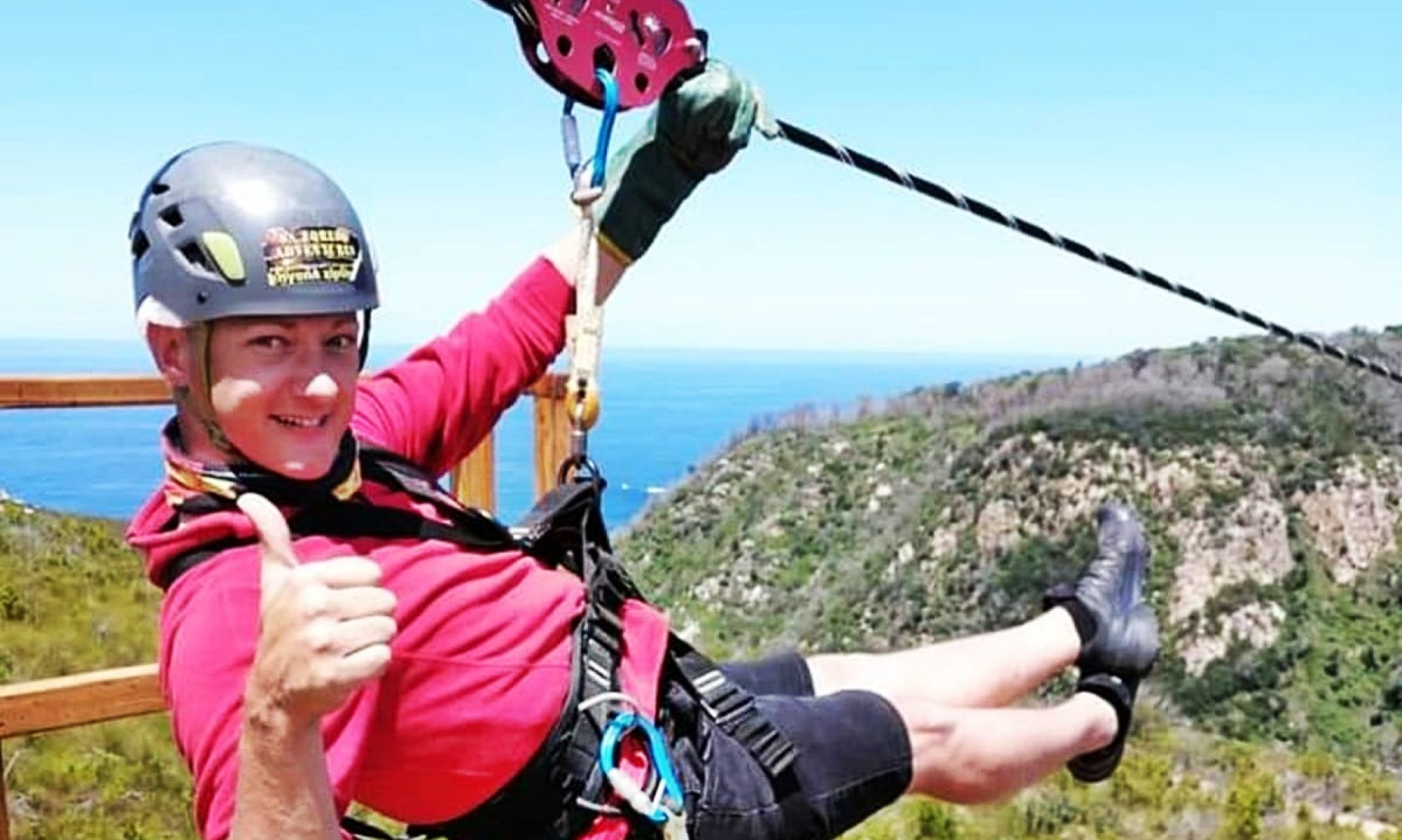

Tapping into the Market
Starting a new Zipline operation in a popular tourist area can be an exciting venture. Here’s a step-by-step guide on how to establish a market for your new Zipline business:
- Market Research and Feasibility Study:
- Conduct thorough market research to understand the demand for a Zipline operation in the area. Analyze the demographics, interests, and behaviors of potential customers.
- Identify existing competitors, their offerings, pricing, and customer base.
- Evaluate the regulatory environment, including permits, licenses, and safety standards that must be met.
- Location Selection:
- Identify potential sites for your Zipline operation. Look for locations with scenic beauty, accessibility, and safety considerations. Ensure compliance with local zoning laws.
- Safety and Compliance:
- Develop a comprehensive safety plan that meets or exceeds industry standards. Hire experienced professionals to oversee safety operations and train staff accordingly.
- Obtain all necessary permits and licenses from local and state authorities. This may include environmental permits, zoning clearances, and liability insurance.
- Business Plan and Financials:
- Create a detailed business plan outlining your revenue model, pricing strategy, and financial projections. Include startup costs, operational expenses, and revenue forecasts.
- Seek funding options if required, such as loans, investors, or grants.
- Infrastructure and Equipment:
- Procure the necessary equipment including ziplines, harnesses, helmets, and other safety gear. Ensure that all equipment meets safety standards and is regularly maintained.
- Set up amenities like ticketing booths, waiting areas, restrooms, and parking facilities.
- Marketing and Branding:
- Develop a strong brand identity and logo for your Zipline operation. Create marketing materials such as brochures, flyers, and a website.
- Implement a marketing strategy that includes online marketing, social media presence, and partnerships with local travel agencies and hotels.
- Customer Experience:
- Focus on providing an exceptional customer experience. This includes friendly staff, clear instructions, and a streamlined booking process.
- Offer additional services like merchandise, photos, or refreshments to enhance the overall experience.
- Staffing and Training:
- Hire and train a team of skilled and customer-oriented staff. This includes zipline guides, safety personnel, ticketing agents, and administrative staff.
- Conduct regular safety drills and training sessions to ensure everyone is well-prepared.
- Environmental Considerations:
- Implement sustainable practices to minimize the impact of your operation on the environment. This may include waste management, conservation efforts, and eco-friendly infrastructure.
- Customer Feedback and Adaptation:
- Solicit feedback from customers to continuously improve your Zipline operation. Use surveys, online reviews, and direct feedback to make necessary adjustments.
- Partnerships and Collaborations:
- Collaborate with local businesses, tourism boards, and travel agencies to promote your Zipline operation. Offer package deals or joint promotions to attract more visitors.
- Monitor and Grow:
- Keep track of key performance indicators (KPIs) such as visitor numbers, revenue, customer satisfaction, and safety records. Use this data to make informed decisions and adapt your business strategies as needed.
By following these steps and consistently providing a safe and memorable experience, you can establish a thriving Zipline operation in a popular tourist area. Remember to stay responsive to market trends and customer feedback to ensure long-term success.